hardware is having its moment
What is now high barrier to entry? Software used to be the case, but now anyone can spin up a codebase with their fingertips thanks to Claude Code, Codex, Lovable, and the usual suspects. Hardware, though, is hard. And she is having her moment.
VCs tend to straight up think only of robotics when hardware is mentioned, but we tend to forget that there is a large space in between deep-tech robotics and consumer software. Consumer hardware is the thick layer in between, and there are so many exciting startups whose products I hope to get to put my hands on soon.
This is the most exciting stuff I have been seeing in the past few months:
The map
Snapshot: August 6, 2026. Funding is total publicly reported capital where available; product prices are current, preorder, or announced entry prices, before subscriptions. Oura is included as the category incumbent. Syncere's $3.5M comes from a University of Toronto founder profile rather than a company funding announcement. Each point includes round-by-round sourcing.
The plot is not a judgment on quality. It is just a useful reminder that "hardware" can mean a $130 kids toy, a $3,500 robotic pair of lamps, or a $20,000 humanoid. Those are different customers, different capital needs, and very different clocks.
Consumer hardware
easily accessible; an object a normal person can understand, buy, and use
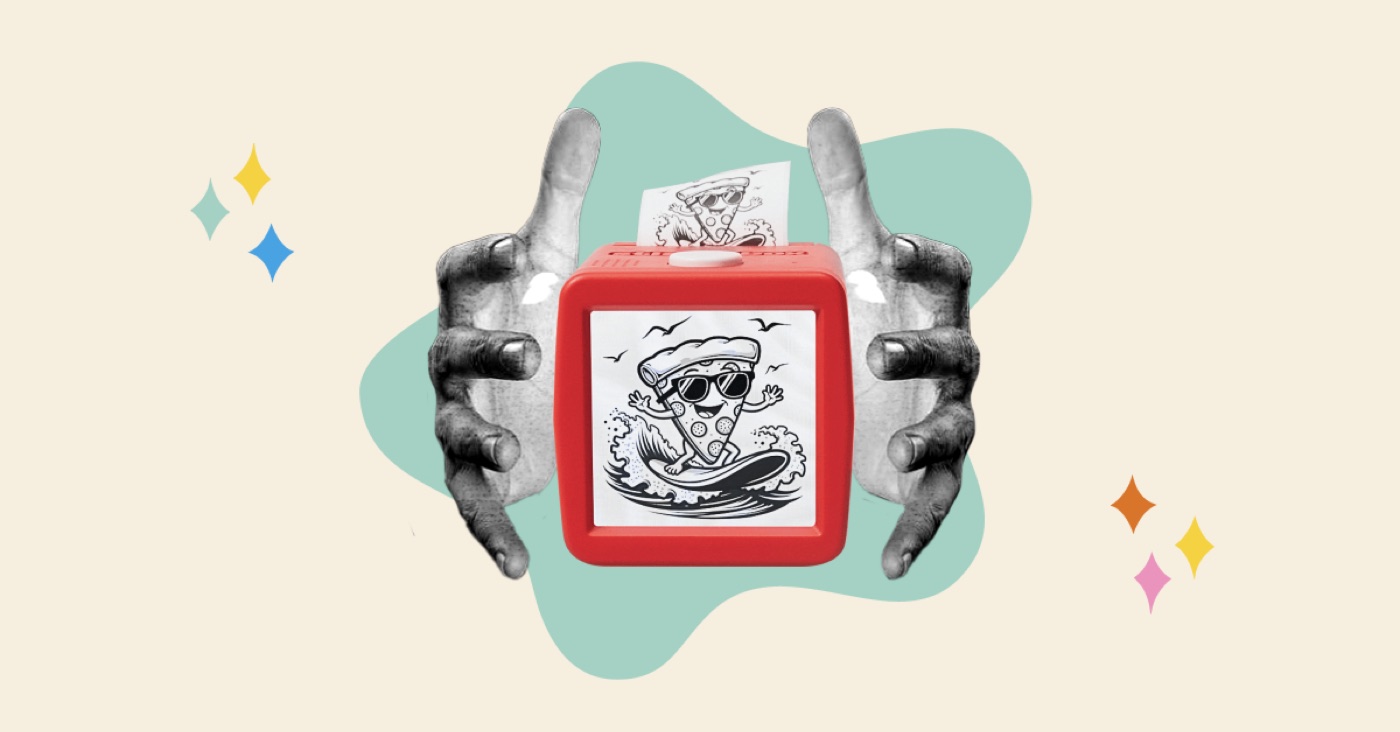
Stickerbox. A child says what they want to draw and the device prints a black-and-white thermal sticker they can color and put anywhere. It is AI with an actual output: not another chat window, but a little object in a kid's hand. The company launched after a $7M round led by Maveron and Serena Ventures, and the device is designed around screen-free, kid-safe use.
$129.99 hardware$7M raisedshipping
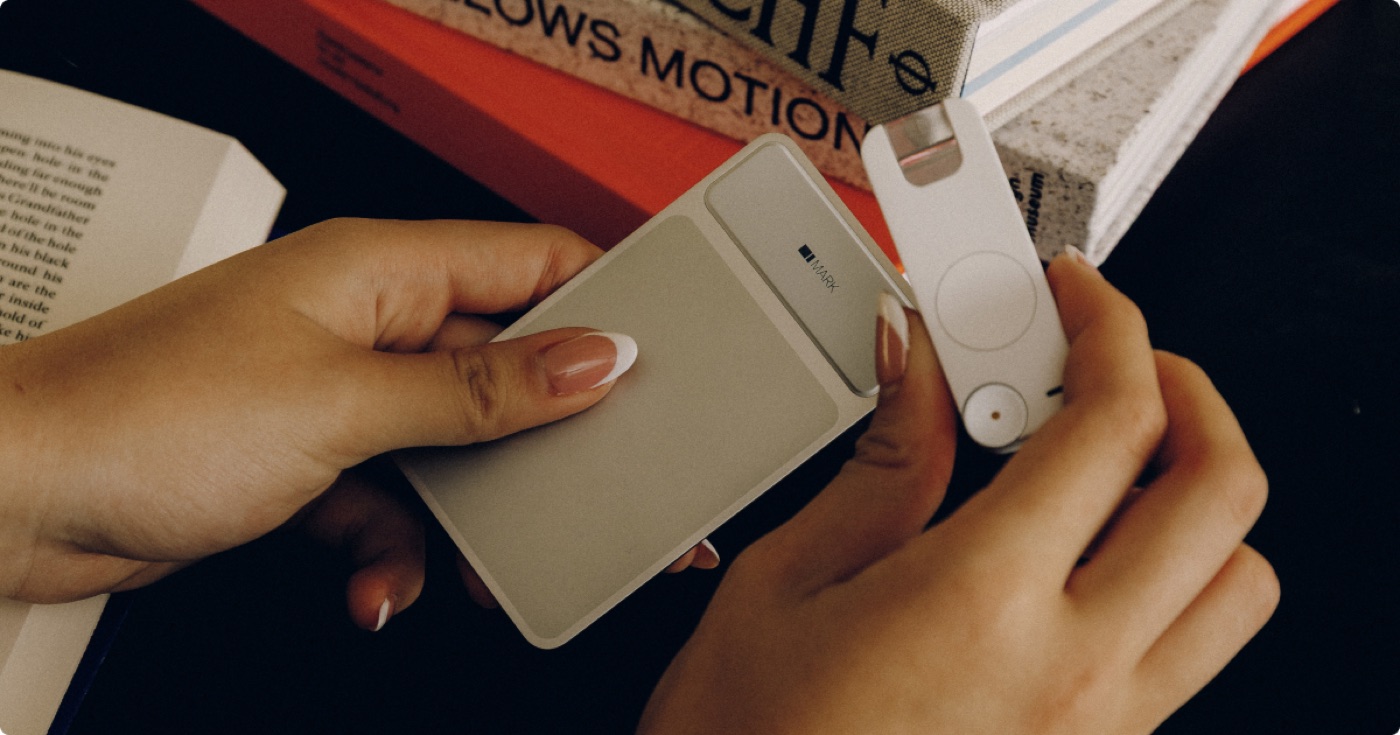
Mark II. It is a physical bookmark that scans highlights from books or screens, takes voice notes, and sends both into tools like Notion and Readwise. The product is small, legible, and attached to an existing habit instead of trying to invent a new one. Its founder publicly announced $1M raised; the round type and investors were not disclosed.
$159 preorder$1M reportedQ3 2026 ship target
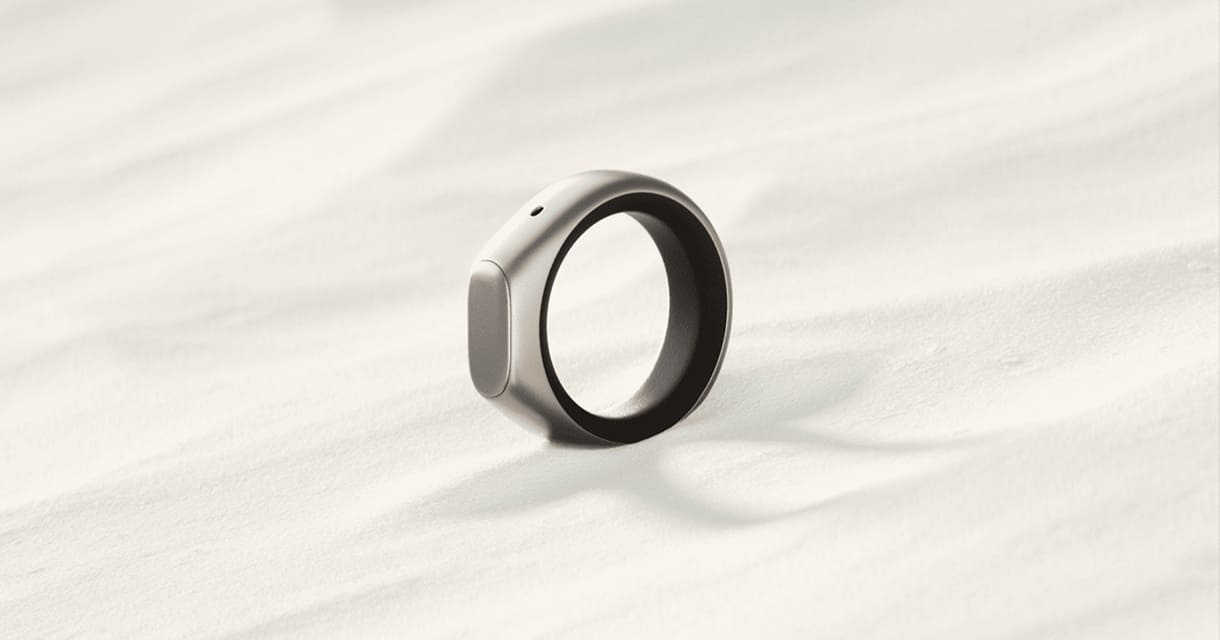
Oura. It made the ring credible as a computer you forget you are wearing. It passively reads the body: sleep, recovery, stress, activity. Its $900M Series E brought total funding to approximately $1.5B.
Oura Ring 5 from $399~$1.5B raisedshipping
Sandbar's Stream. It uses the same location for something almost opposite: a push-to-talk ring for notes, dictation, and thinking out loud. It is not always listening; you hold the touchpad to speak and release to send. Sandbar has raised $36M total. Oura captures the body. Stream tries to capture the mind.
Stream preorder $249$36M raisedfall 2026 ship target

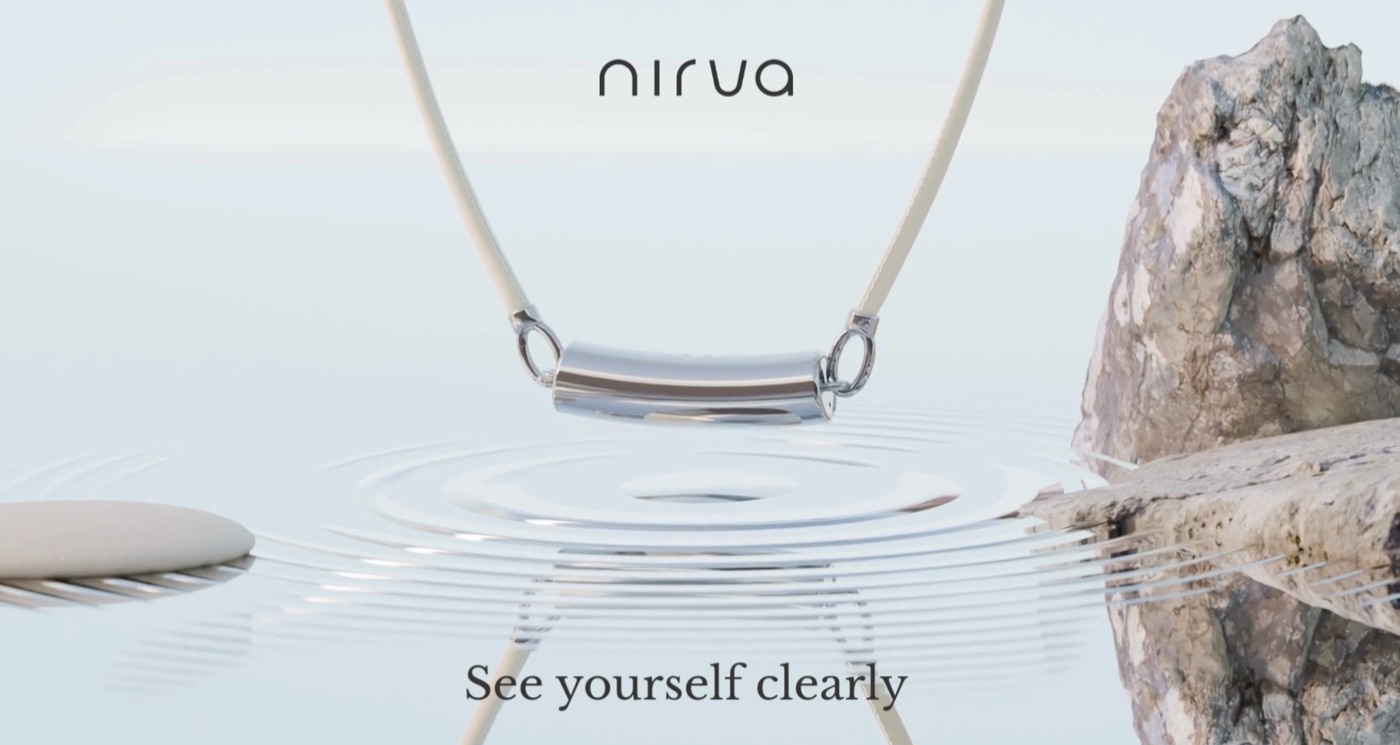
Nirva. It is AI jewelry: a small module worn as a necklace or bracelet that auto-journals the day, reads tone and context, and tries to tell you what or who is energizing or draining you. The founding mix matters: Meta Reality Labs product and engineering plus actual jewelry design. Lightspeed led its $8M seed with support from South Park Commons. At CES, the team described a $200 module plus $30-$50 jewelry, before subscription.
~$230 announced entry hardware$8M seedwaitlist
Images via the official sites for Stickerbox, Mark II, Oura, Sandbar, and Nirva.
Prosumer hardware
real products, but priced for affluent early adopters or professionals rather than the average American household
Syncere Lume. It is a robotic floor lamp that can unfold into two arms and handle soft-material chores: folding laundry, making a bed, resetting pillows. It is exactly the middle layer people skip when they reduce hardware to "AirPods or humanoids." It is also not affordable to the average American household: $3.5K for two lamps is a serious purchase. A University of Toronto founder profile reports a $3.5M pre-seed; investors and an exact close date were not disclosed.
$1,999 one / $3,499 duet$3.5M pre-seed reportedspring 2027 batch
HaloBraid. It is a braiding assistant for professional stylists. The stylist starts a knotless or box braid, and the device finishes the length in seconds. That distinction matters: this is not a machine replacing the judgment and intimacy of a salon appointment; it is a tool aimed at compressing the hours and physical strain inside it. After securing a $1M AlleyCorp investment prize, the company raised a $7M seed led by Seven Seven Six. Price is still undisclosed.
price not disclosedat least $8M disclosed2026 launch planned
LIND. Its Canvas is a beautifully engineered electric surfboard: modular battery and jet, up to 40 mph, and up to 45 minutes on flat water. It is very obviously prosumer, and maybe just luxury. I found no public venture round for LIND; founder Alex Lind has instead described starting with a roughly $100K loan. The interesting business is the object itself, not whether a database calls it VC-backed.
$26,950outside funding not publicavailable by inquiry
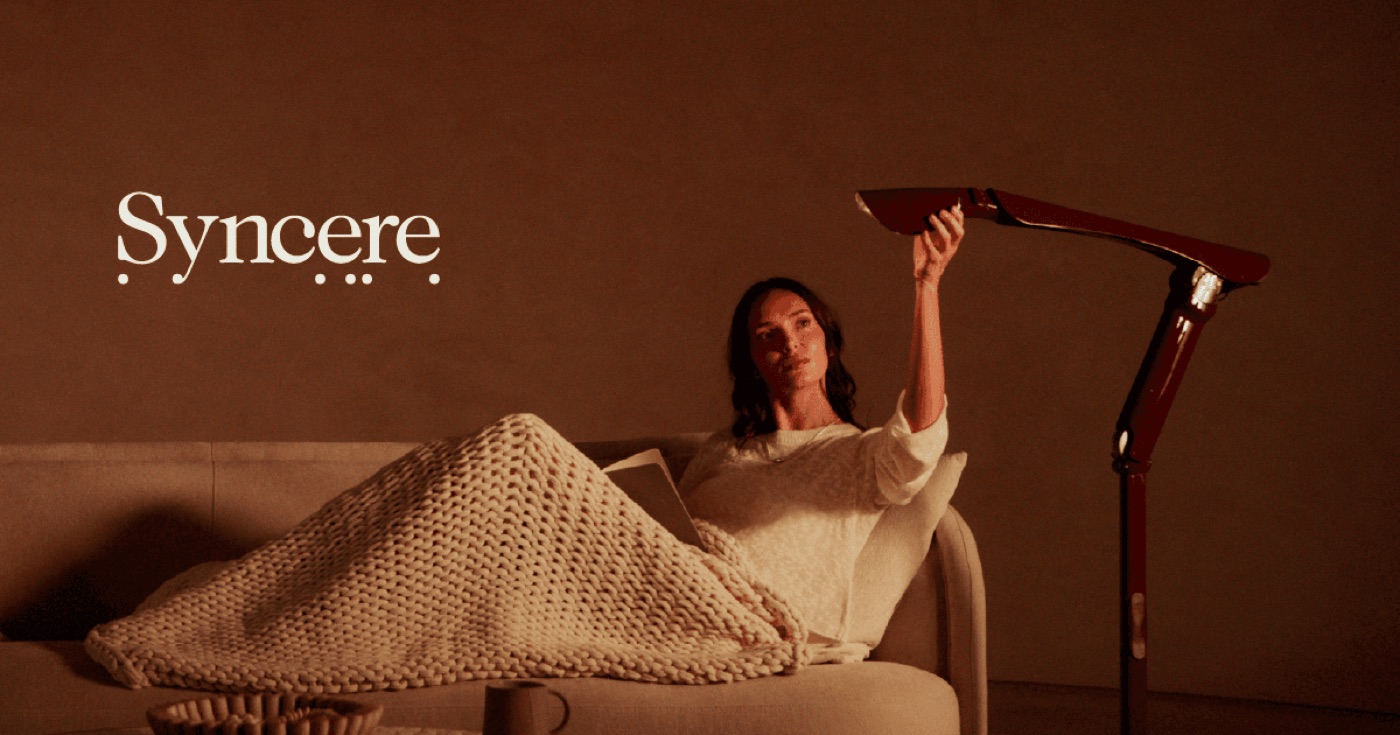
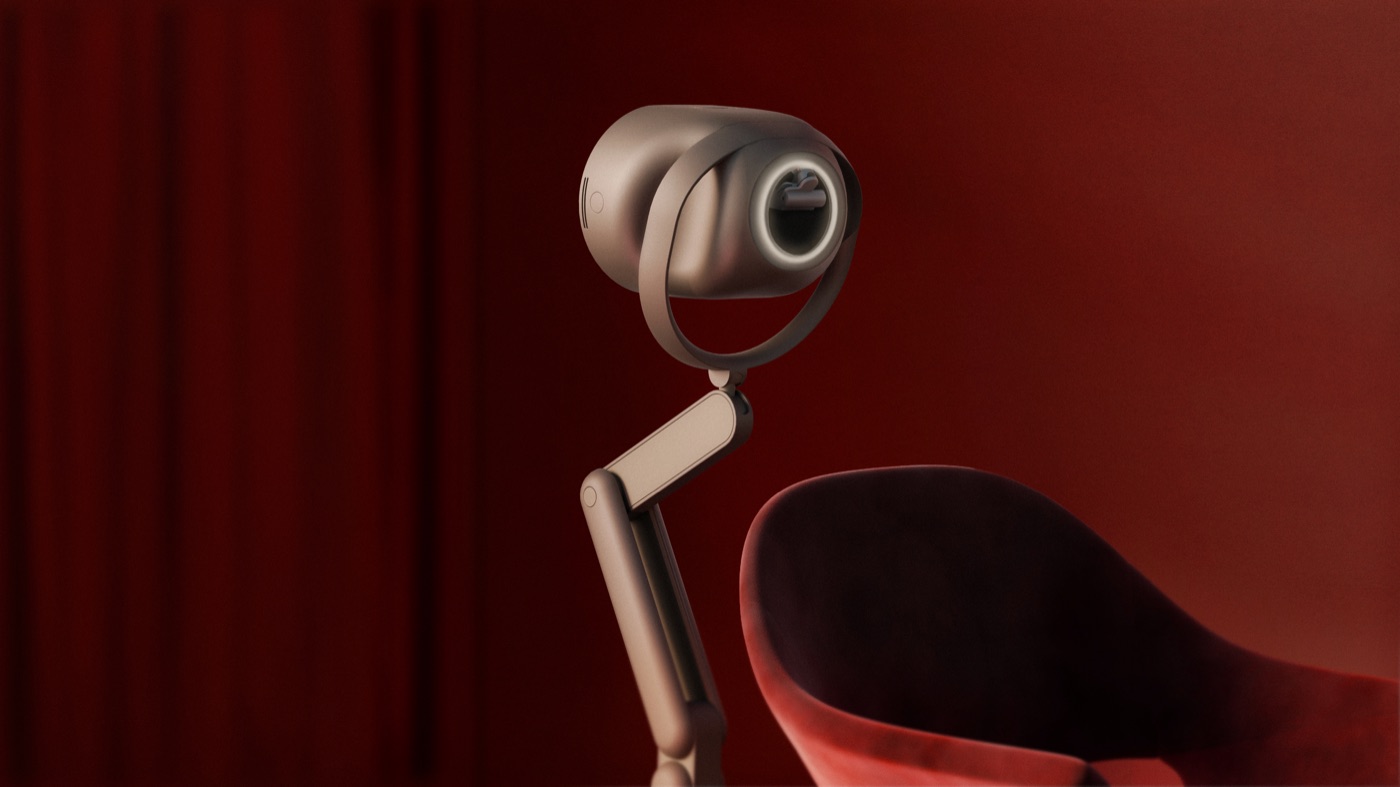
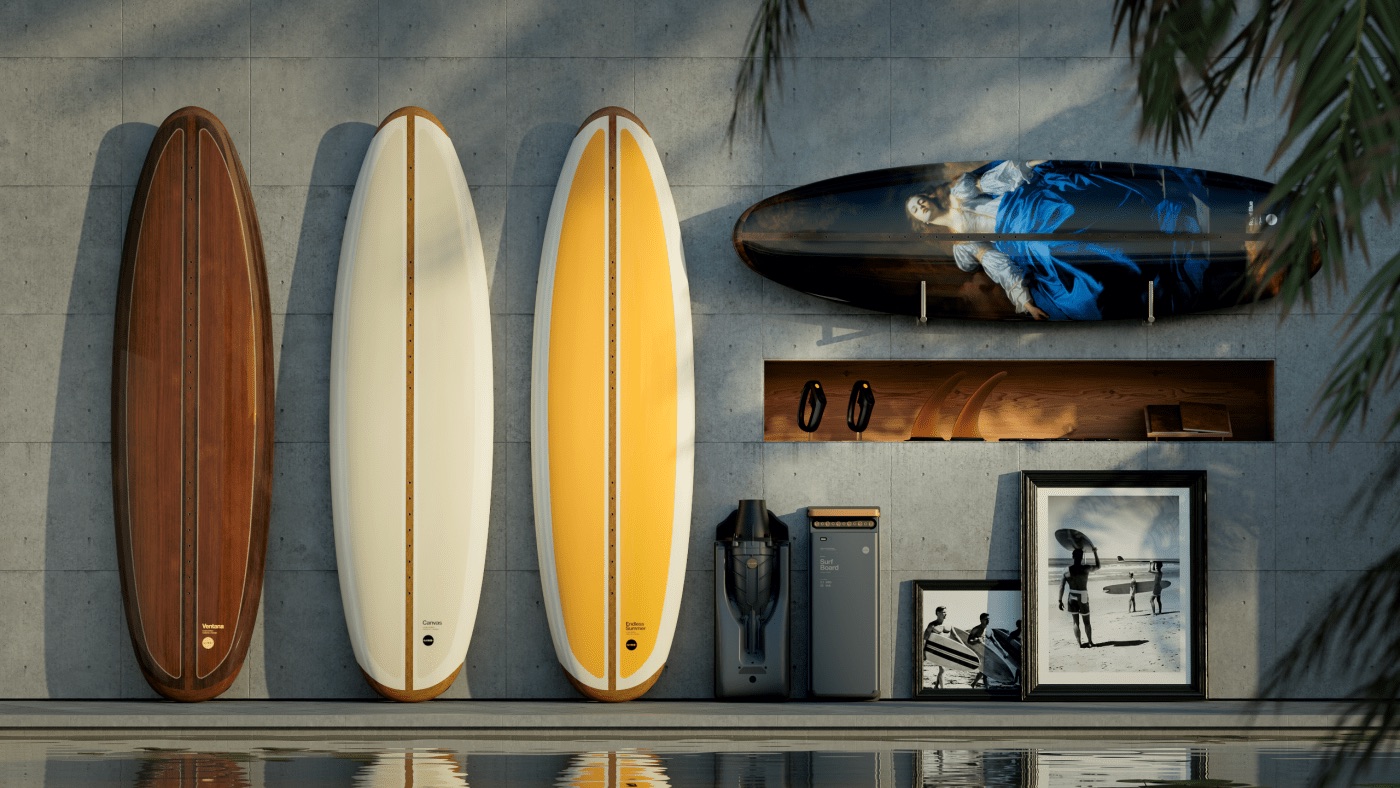
Images via Syncere, HaloBraid, and LIND.
Camera Intelligence's Caira. It is an AI-native Micro Four Thirds mirrorless camera that attaches to an iPhone with MagSafe and uses the phone as its viewfinder, control surface, editing room, and distribution layer. The hardware keeps a Sony sensor and more than 100 compatible interchangeable lenses; the workflow adds Snapdragon and Google Edge TPU processing, natural-language camera controls, and AI edits that land on the phone in seconds. This is prosumer compression: not a cheaper phone camera, but a product that collapses the capture-edit-publish stack for creators and small teams. Under its former Alice Camera name, the company reported a $1.3M venture round in 2022, then announced a $2M seed as Camera Intelligence in 2025.
$999 body / $1,195 with lens$3.3M VC disclosedAugust 2026 batch
Mondo Robotics' Beni. It looks like a small robot, but it is fundamentally an autonomous camera operator. Beni follows its subject across indoor and outdoor terrain at up to 17.9 mph, keeps the action framed, captures stabilized 4K footage, and turns selected clips into a highlight reel. The wheels, obstacle avoidance, jumps, and self-righting are not general-purpose robotics; they are the camera movement system. That makes Beni closer to a mobile tripod, gimbal, or second person behind the lens than a household robot. More than 3,000 people have backed the Kickstarter, which has crossed $2M.
$549 Kickstarter Super Early Bird$2M+ crowdfundedOctober 2026 delivery estimate
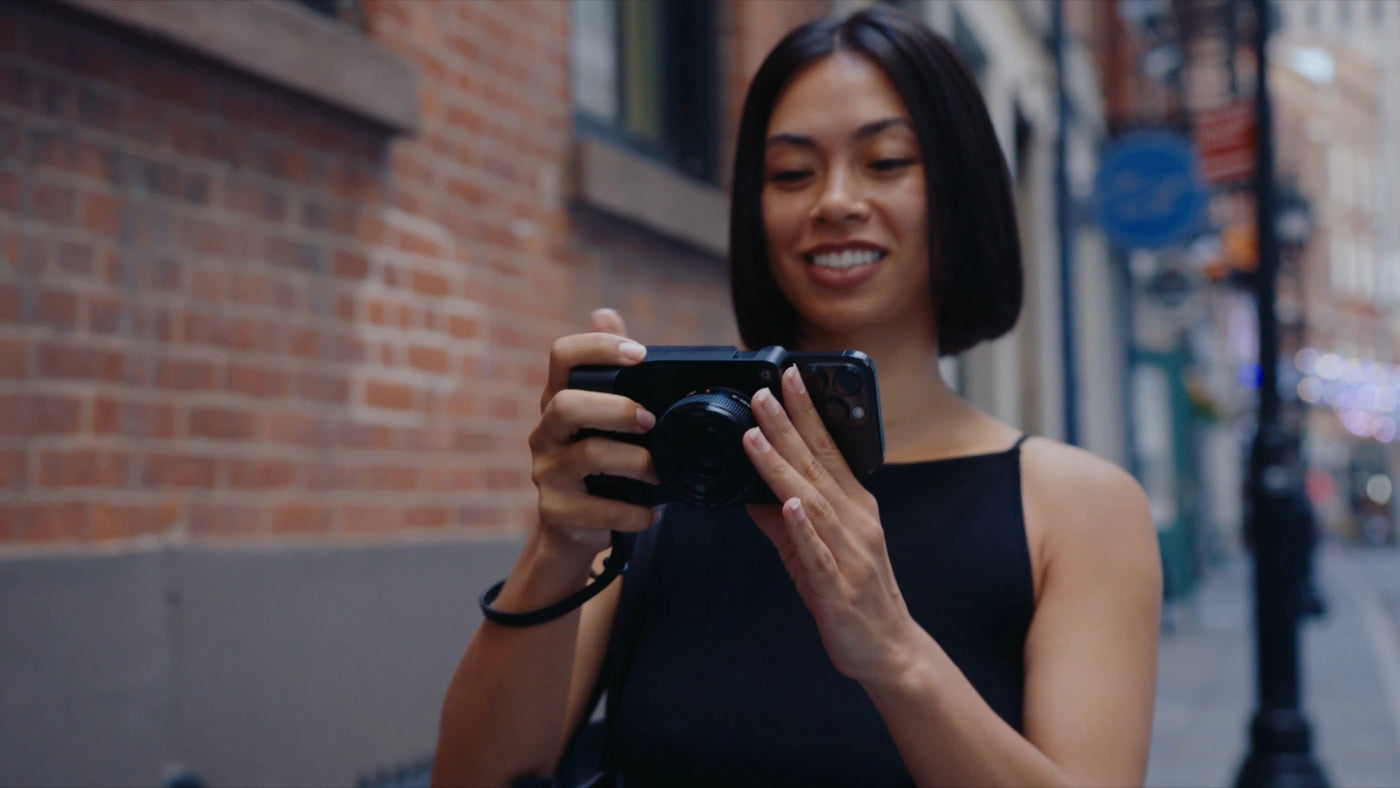
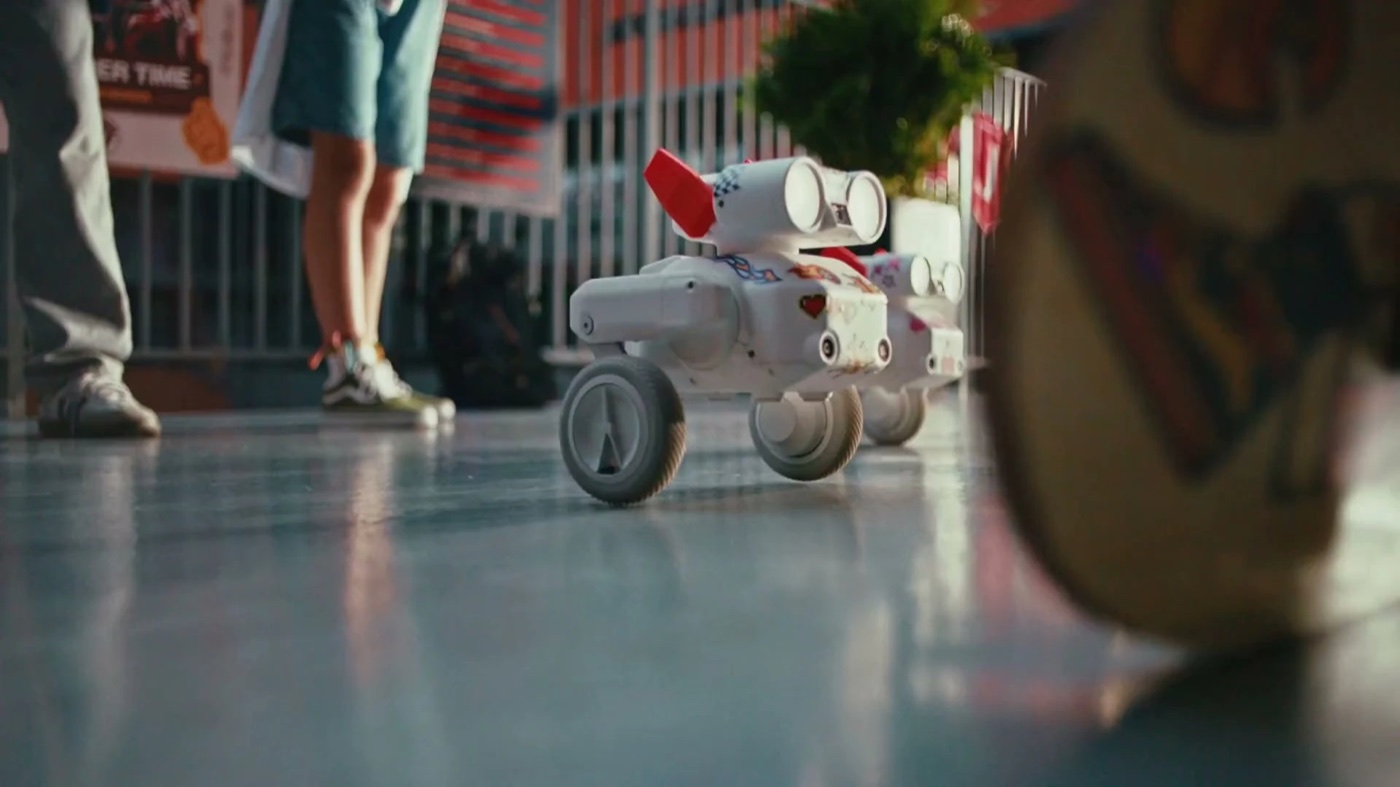
Images via Camera Intelligence and Mondo Robotics.
Frontier / deep-tech hardware / robotics
products that, let's be real, need a long time horizon before they are readily usable and value-add in people's lives and society
1X NEO. It is the clearest version of the humanoid-at-home thesis. Early access ownership is $20K, or eventually $499 per month. The important line on the order page is that it arrives with basic autonomy and can use scheduled remote "Expert Mode" for tasks it does not yet know. That is not a gotcha; it is the frontier honestly showing its training loop. Publicly reported rounds add up to about $136.6M raised. This can be a product today and still be years from being a normal appliance.
$20,000 ownership / $499 monthly~$136.6M raisedearly access deliveries in 2026
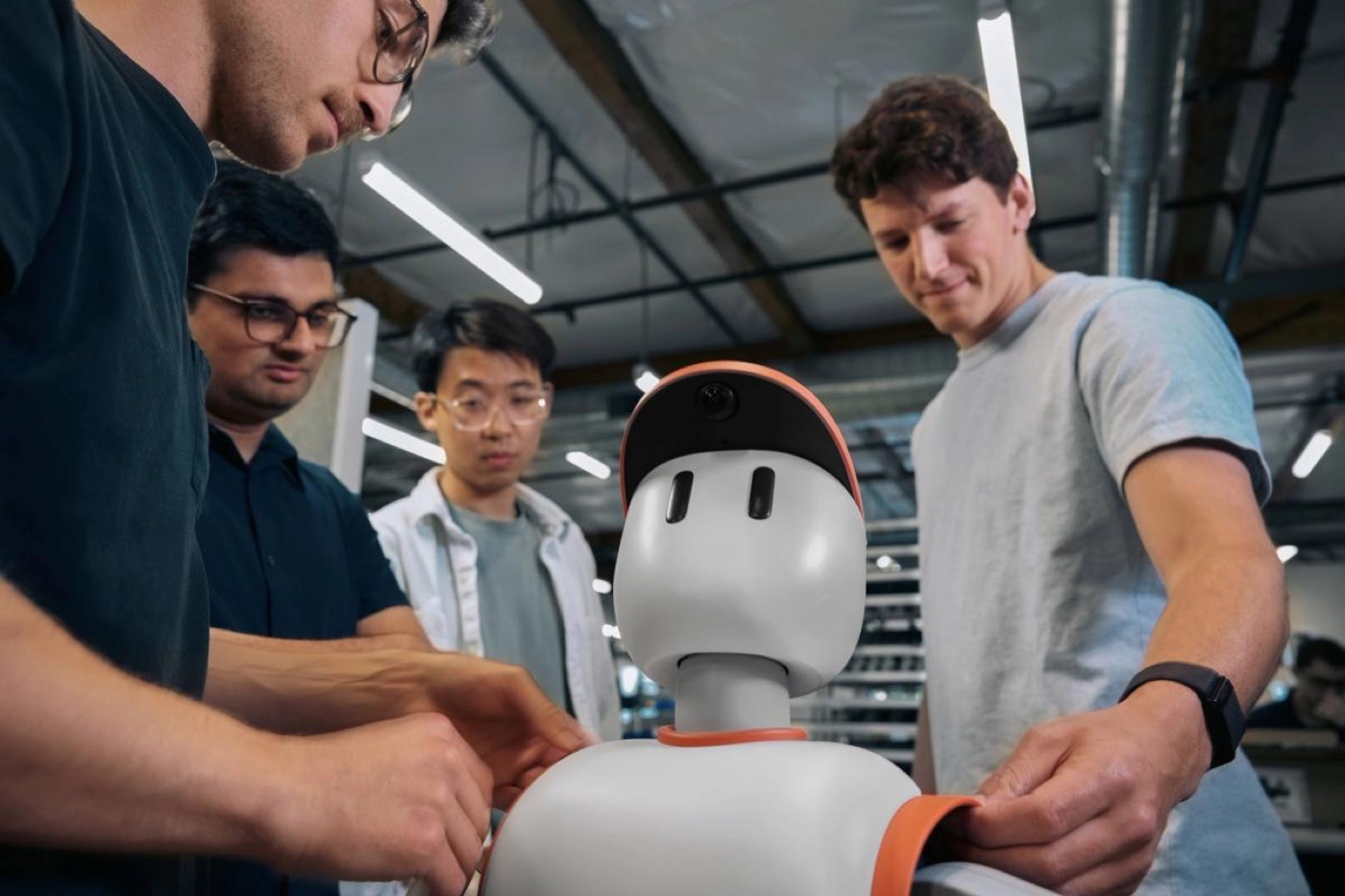
Sunday. It is a wheeled home robot trained around real household routines. The team says the point is to get out of the robotics-demo loop and into homes: its $165M Series B announcement is literally titled "No More Demos," with a household beta planned for fall 2026. After launching with $35M in backing, that brings total disclosed funding to $200M. There is no public retail price yet. That missing dot on the y-axis is part of the story.
retail price not disclosed$200M total reportedfall 2026 beta

Hardware: futuristic, or retro?
Future/forward-looking
Another trend I am noticing is: yes, there is a gap in how we can re-imagine, with AI, what hardware can do for us.
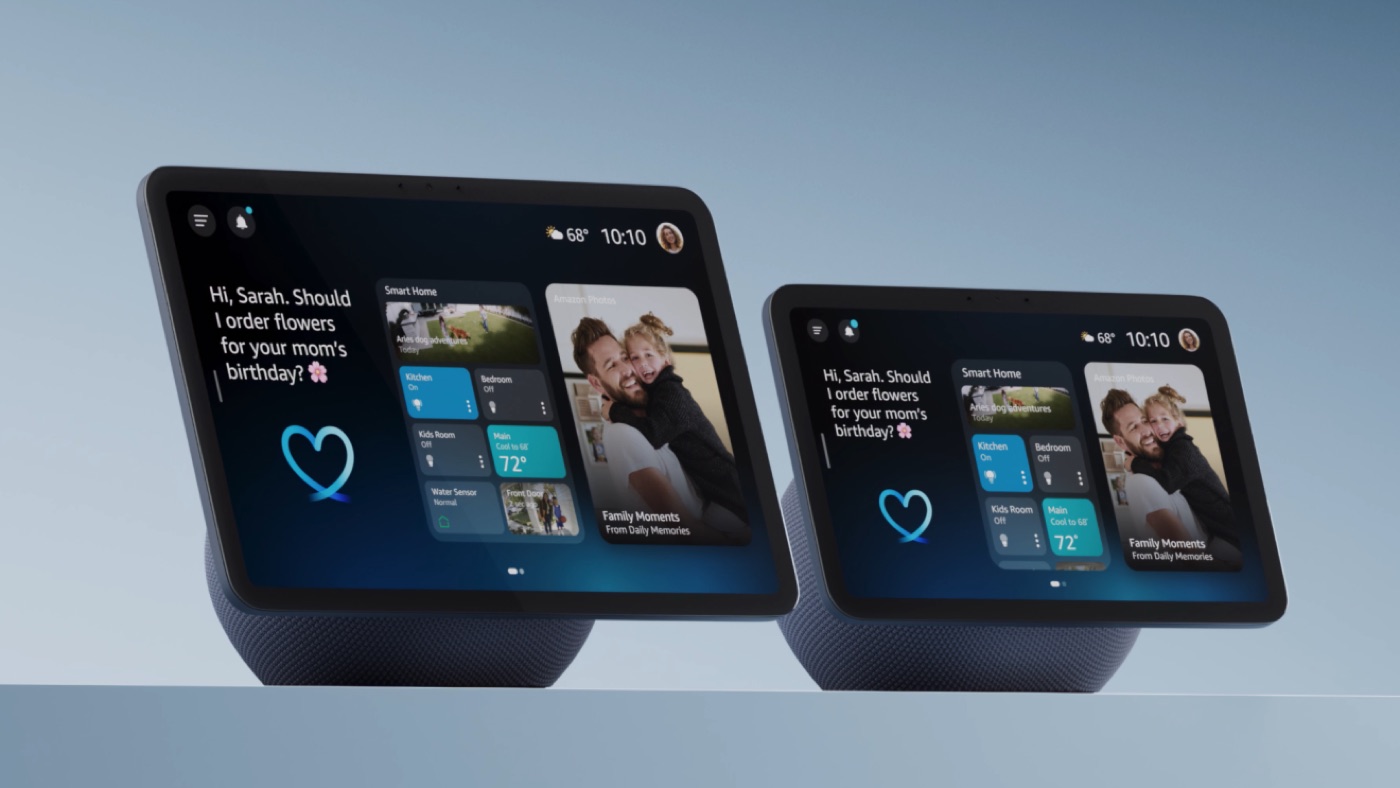
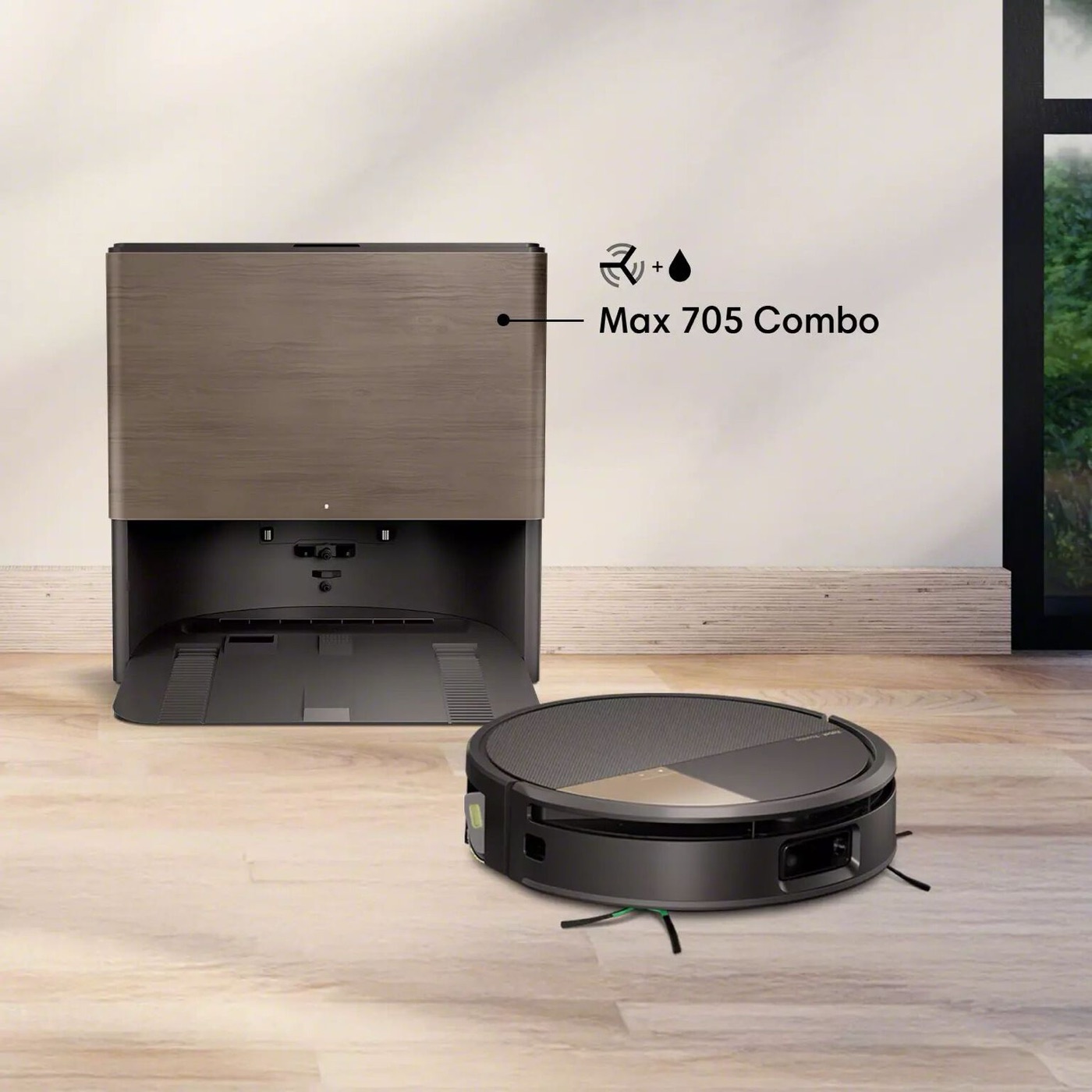
A lot of AI hardware from a few years back was simply way too early and delivered underwhelming user experiences. Not because the teams behind it were not experts at their craft, but because it was simply too early. Alexa launched in 2014, and Amazon was still rebuilding it into Alexa+ more than a decade later, after repeated delays and reported bugs. Roomba made domestic robotics real, but its maker iRobot filed for Chapter 11 in December 2025. A category-defining product does not guarantee a durable company.
And there are flops, or at least tensions, in the present. Friend is a necklace built to listen and text you companionship; reviews found it creepy, invasive, and underwhelming, and honestly, I do too. Meta made smart glasses much more aesthetic, sold millions, and even got Kylie Jenner to design a frame, but the launch also met negative criticism about surveillance and consent. Snapchat's original Spectacles, well, those were just ugly, and Snap eventually took a $39.9M charge related to Spectacles inventory.
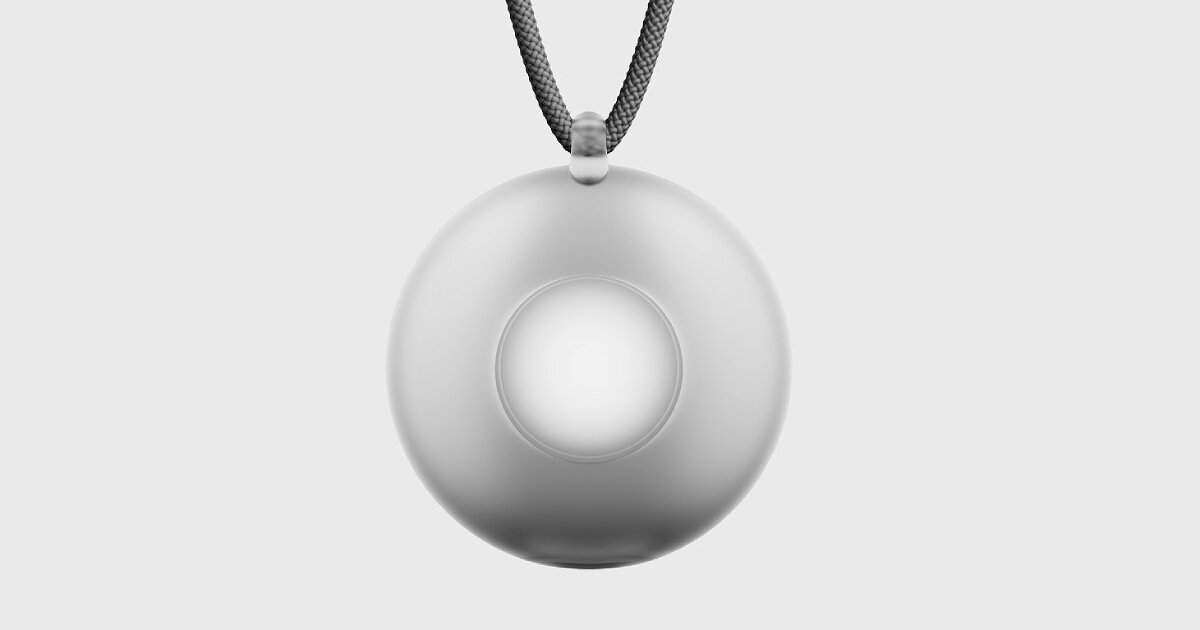

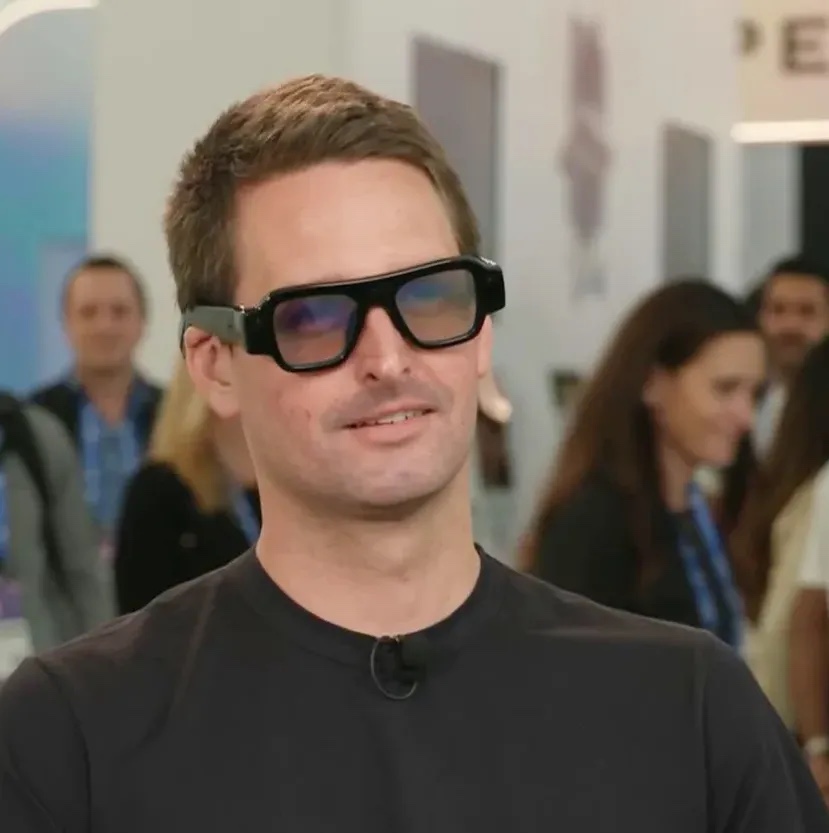
Images: Friend via designboom; Meta via Elle; Snap via The Verge (CNBC screenshot).
The opportunity is not "put a mic on it" or "put a model in it" or "put cameras on it." There is a huge opportunity for founders thinking about how to push delightful hardware experiences forward that leverage this new generation of god-like intelligence that we just unleashed in the past 8-10 months. The intelligence got dramatically better. The taste, consent, manufacturing, battery, latency, reliability, and reason for the object to exist still have to be earned.
Retro/backward-looking
On the other hand, there is also huge opportunity for going back. Hardware that is reminiscent of a past that was simpler and less complicated. This is not anti-technology. It is technology that understands which feeling was lost.
Physical Phones. It sells $90-$110 landline-shaped Bluetooth phones that route calls from your smartphone into a receiver you can hang up. The company is the clean proof that retro can be a very real business: reporting based on documents reviewed by CNBC puts 2025 at about $789K of sales and $439K of profit. That is nearly a seven-figure business before a seed deck enters the room. The latest public number I found stops short of confirming seven figures actually booked, so I will not round it up; the stated 2026 target is $5M.
The Minimal Phone. It is a $449.99 e-paper Android phone with a physical QWERTY keyboard, Play Store access, and a claimed four-day battery. It is not a dumbphone. It keeps modern software and changes the relationship around it: less glass, less color, more intention, and the muscle memory of a BlackBerry. Future capability, retro posture.
Meadow. It is a $399 compact 4G phone built around subtraction. It keeps maps, music, a camera, Uber, notes, calls, and texts, but removes social media, browsing, feeds, and work email. A dedicated number is reachable only by the contacts you choose. Its retro move is not a vintage shell; it is returning the phone to a tool you can leave with, instead of a place you disappear into. The service plan is $15 per month after three free months, and the current shipping target is September 2026.
$399 preorder$15 monthly after three monthsSeptember 2026 ship target
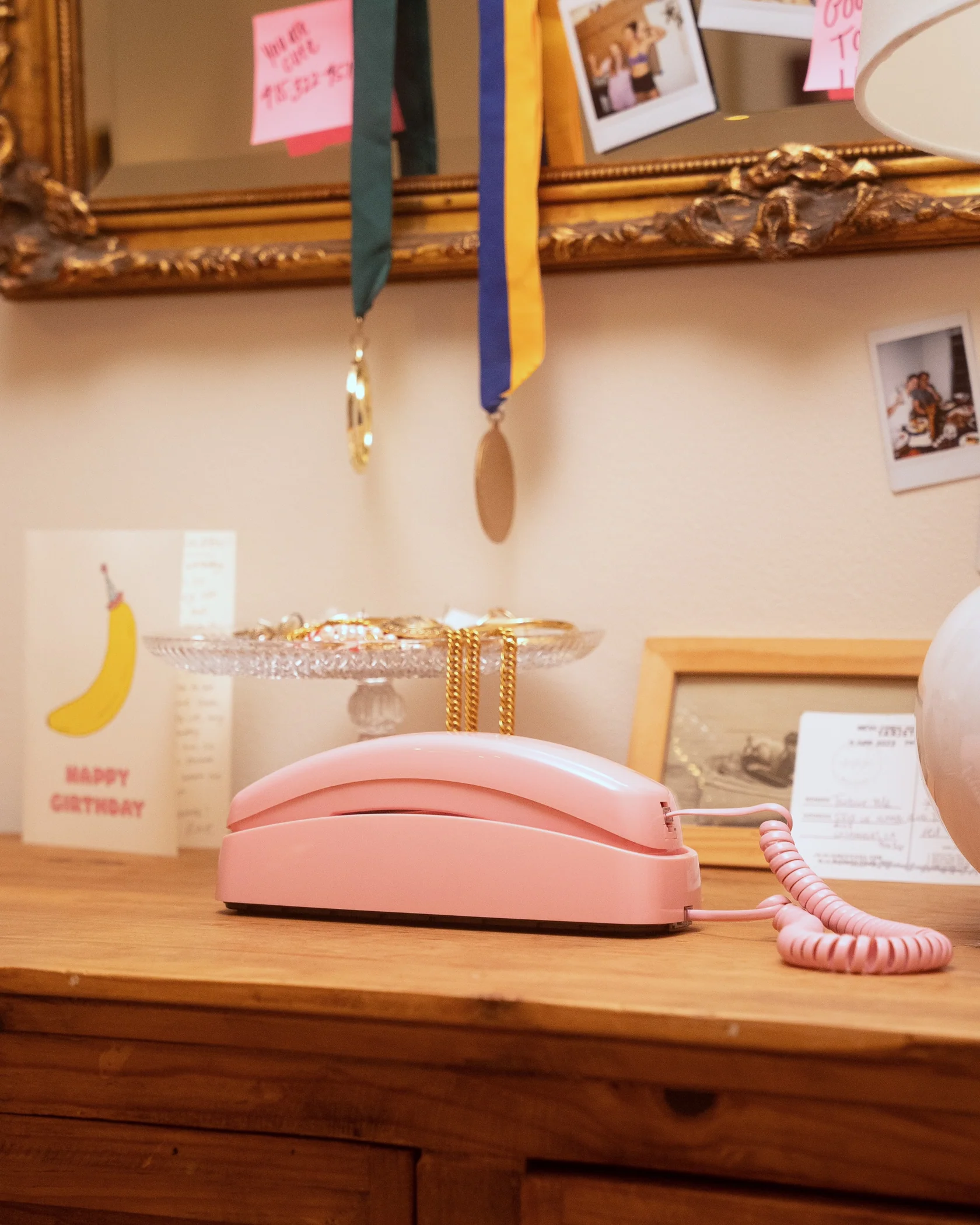
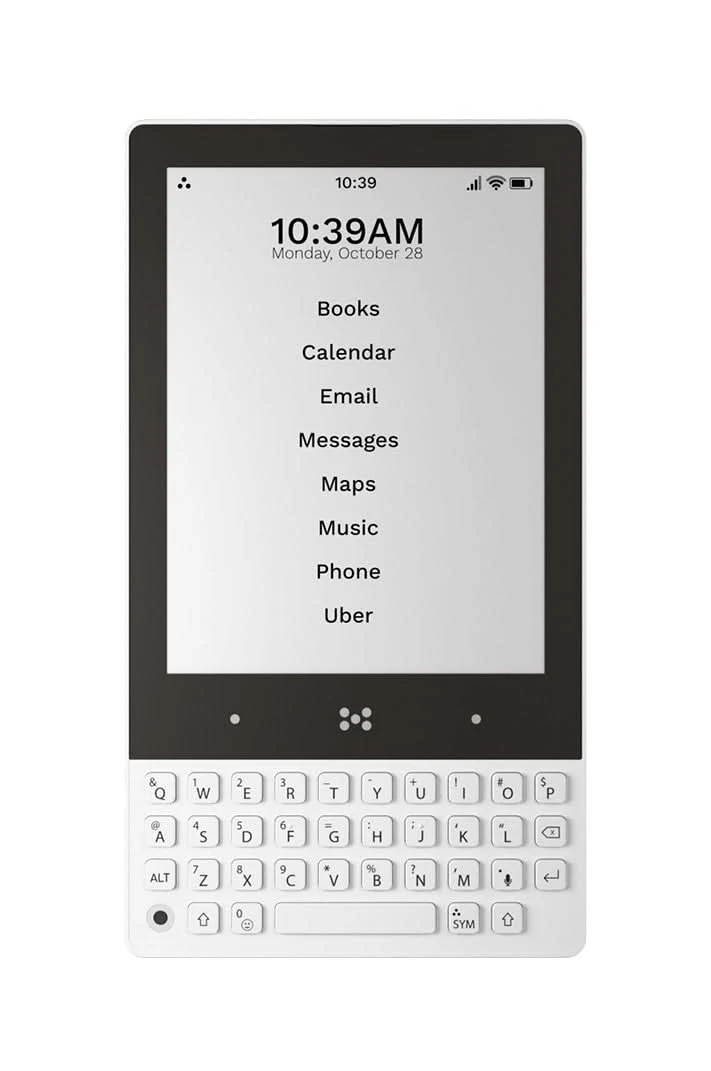
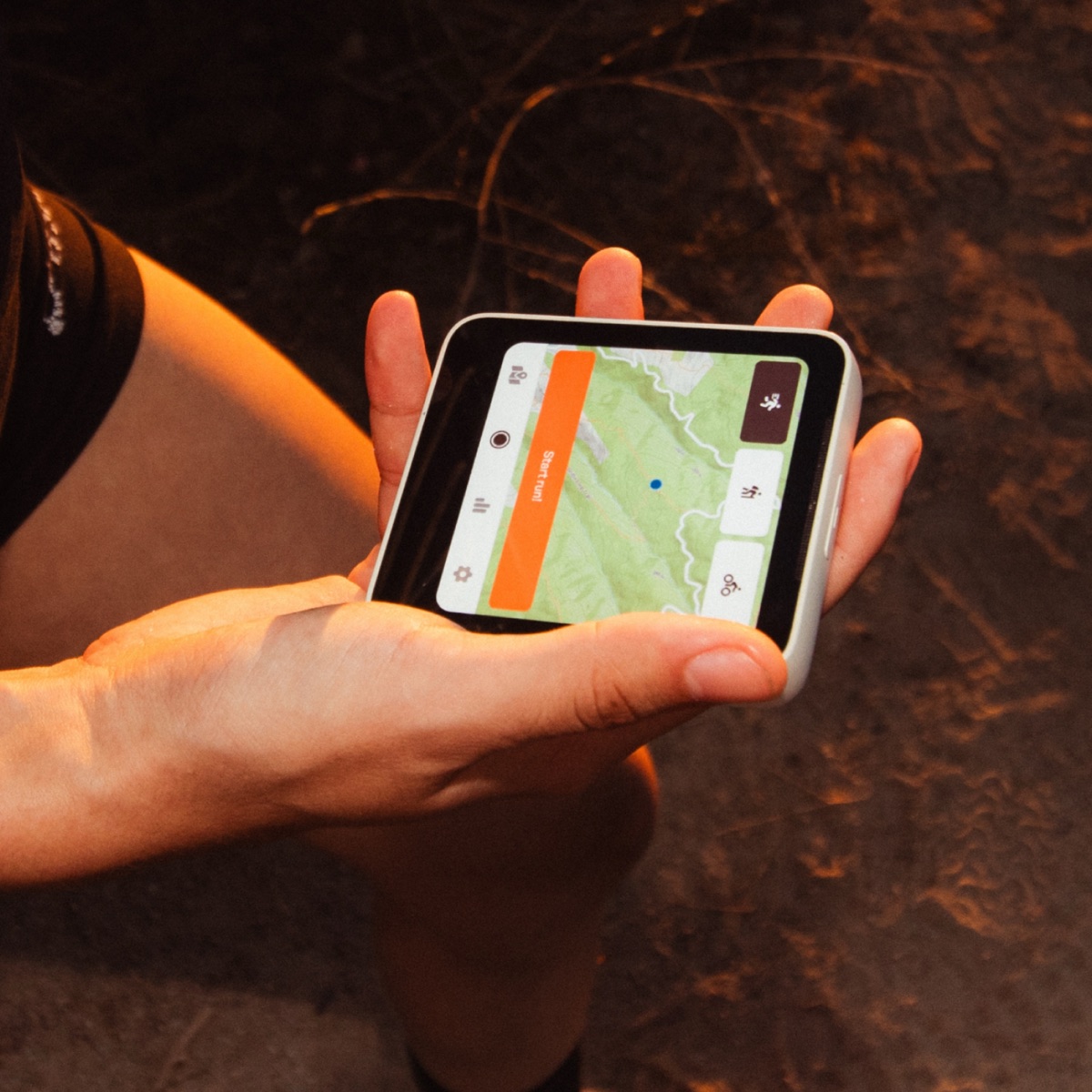
Images via Physical Phones, Minimal, and Meadow.
Camera arbitrage. Gen Z is reviving film and compact cameras that smartphones were supposed to kill. Around that demand is a simple business: buy old inventory, test it, clean it, bundle the right battery and charger, photograph it well, and sell taste and trust. Cute Camera is one version. Retrospekt, The Digicam Depository, and Coolpix Collective show that this is already a category.
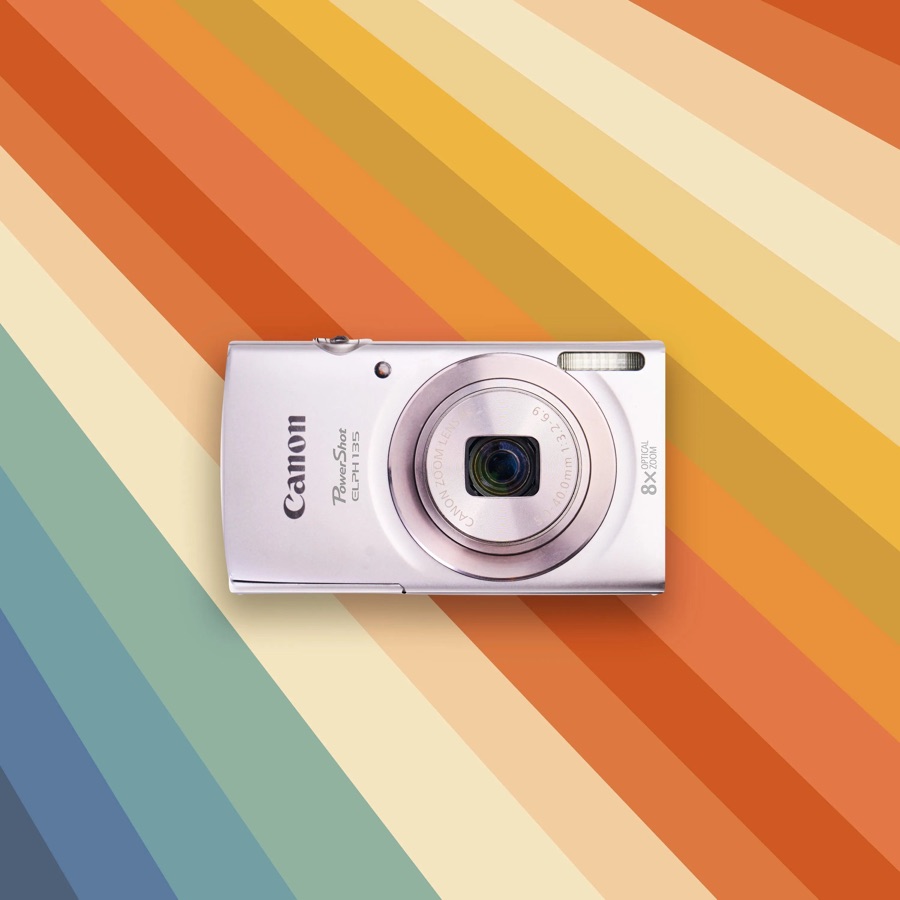
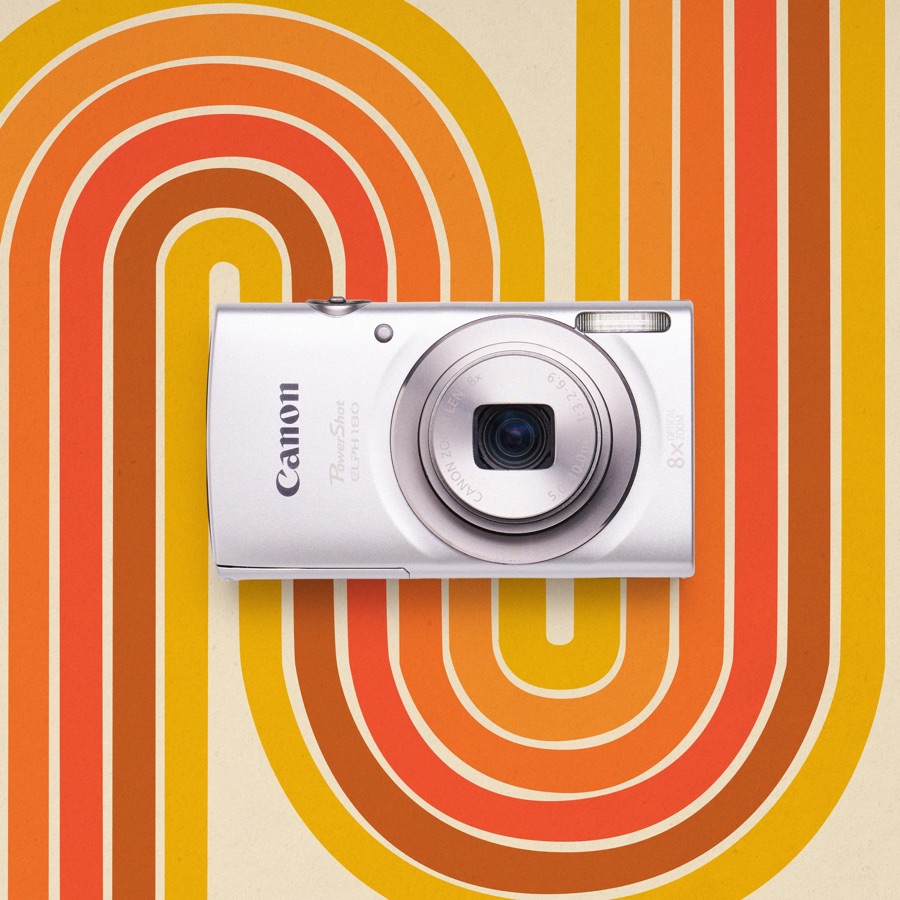
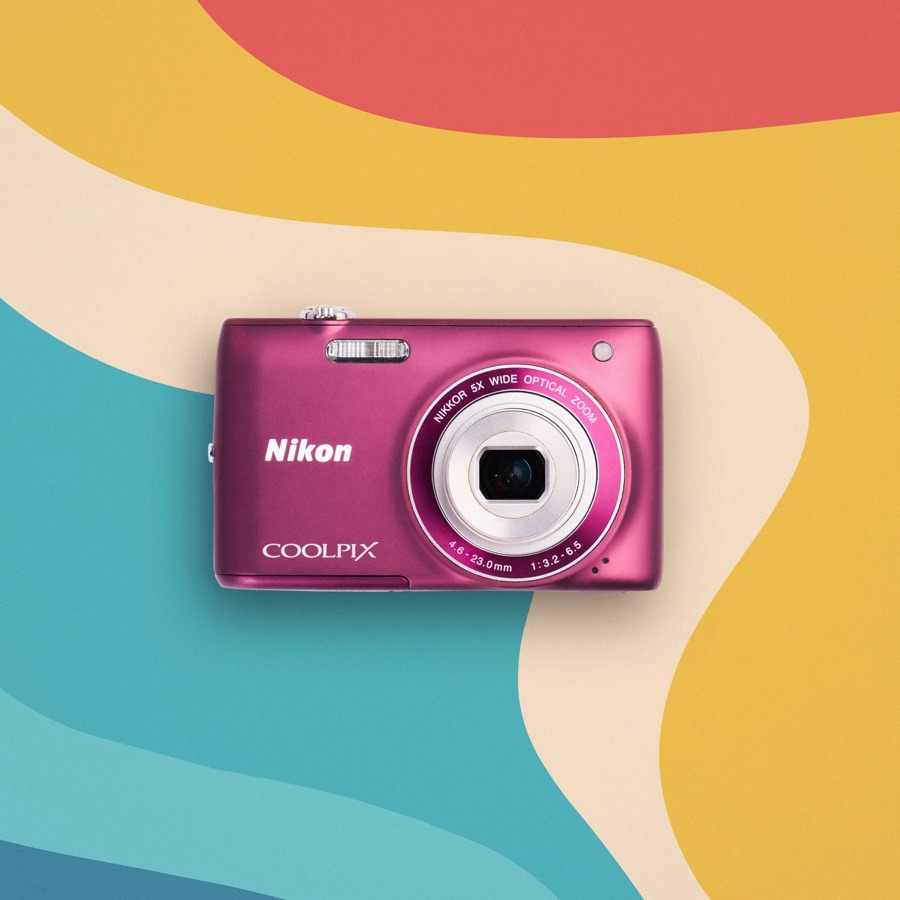
Camera images via Cute Camera.
| camera | launch MSRP | Cute asking price | nominal delta |
|---|---|---|---|
| Canon ELPH 135 | $129.99 | $299.99 | +$170.00 / +130.8% |
| Canon ELPH 180 | $119.99 | $329.99 | +$210.00 / +175.0% |
| Nikon Coolpix S4100 | $179.95 | $229.99 | +$50.04 / +27.8% |
| Canon SD1100 IS | $249.99 | $269.99 | +$20.00 / +8.0% |
| mean, four models | $169.98 | $282.49 | +$112.51 / +85.4% |
Cute Camera asking prices captured August 5, 2026; launch prices are U.S. nominal MSRP. The mean percentage is the arithmetic average of each model's percentage delta. This is not an estimated profit margin: acquisition cost, refurbishment, accessories, returns, labor, fees, and sold-price discounts are not public, and the comparison is not inflation-adjusted. It is simply the visible price premium created by renewed demand plus curation and trust.
Not every hardware opportunity requires an invention. Sometimes the opportunity is noticing that an abandoned object has become culturally scarce, then building the distribution and brand that gets it into the right hands. There is literal arbitrage here, but the best resellers are also selling certainty: this one works, it has the right charger, and it will arrive looking like the picture.
The real question
Now that anything can be built in a digital world, what do we want to see more of in the real world? It is a new world.
For future/forward-looking hardware: how can we make intelligence feel physical, yet aesthetic and not cringe?
For retro/backward-looking hardware: what do we miss that would make us feel seen?
Hardware is not only robotics. Founders and entrepreneurs reading this should not limit their thinking to VC-backable companies. A business does not need venture funding to be incredibly profitable. It can be a humanoid with a ten-year horizon, a ring, a lamp, a landline that talks to an iPhone, or a camera someone else forgot was valuable. The opportunity is much wider than the venture vocabulary we have been using for it.
subscribe
long-form writing on AI and Tech trends, sent when it is ready.
follow on substack ->